

Exploring the realm of mental health naturally, this guide delves into the importance of nurturing your mind and well-being through simple yet effective methods. From healthy lifestyle habits to stress management techniques, discover practical ways to uplift your mental health in this informative journey.
Delve into the statistics, explore the impact of poor mental health, and learn how small changes can lead to significant improvements in your overall well-being.
Importance of Mental Health
Mental health is a crucial aspect of overall well-being, impacting how we think, feel, and behave on a daily basis. It plays a significant role in our ability to handle stress, relate to others, and make decisions. When our mental health is in good condition, we can cope with the challenges of life effectively and maintain a positive outlook.
Impact of Poor Mental Health
Poor mental health can have a profound impact on daily life, affecting our relationships, work performance, and physical health. It can lead to symptoms such as anxiety, depression, mood swings, and difficulty concentrating. Additionally, untreated mental health issues can escalate and result in more severe conditions.
Global Prevalence of Mental Health Issues
According to the World Health Organization (WHO), mental health disorders affect people of all ages and backgrounds worldwide. It is estimated that around 450 million individuals suffer from mental or behavioral disorders, making mental health a significant public health concern.
The stigma surrounding mental health often prevents individuals from seeking help or treatment, further exacerbating the issue.
Healthy Lifestyle Habits
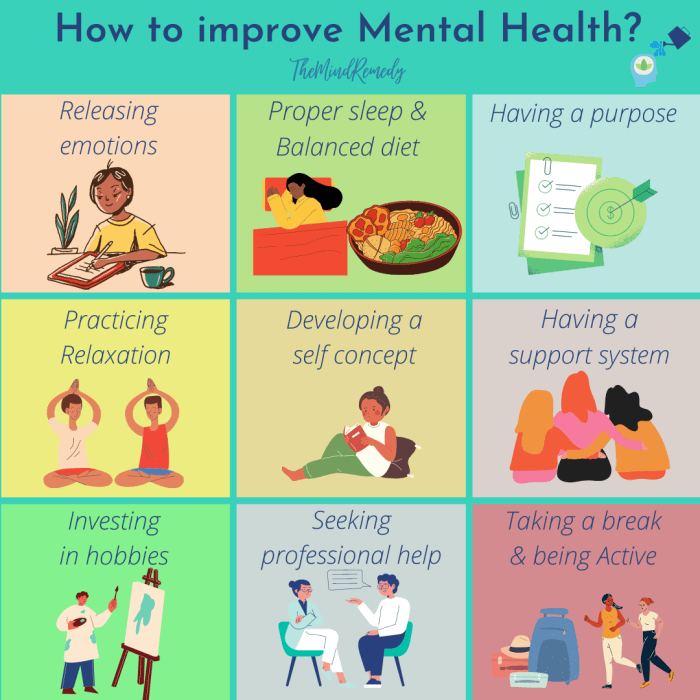
Maintaining a healthy lifestyle is crucial for promoting good mental health. By incorporating certain habits into your daily routine, you can significantly improve your overall well-being.
Exercise
Regular physical activity plays a key role in improving mental health. Exercise has been shown to reduce symptoms of anxiety and depression, boost self-esteem, and enhance cognitive function. Whether it's going for a brisk walk, practicing yoga, or hitting the gym, staying active can have a positive impact on your mental well-being.
Balanced Diet
Eating a balanced diet is essential for supporting mental health. Consuming nutrient-rich foods such as fruits, vegetables, whole grains, lean proteins, and healthy fats can provide the necessary nutrients for proper brain function. A well-balanced diet can help regulate mood, reduce stress, and improve overall mental clarity.
Stress Management Techniques
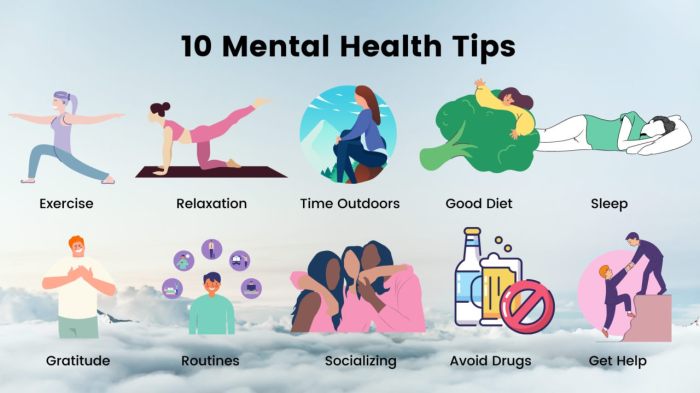
Managing stress naturally is essential for maintaining good mental health. By incorporating relaxation techniques into our daily routines, we can effectively reduce the negative impacts of stress on our well-being.
Meditation and Mindfulness Practices
- Engage in regular meditation sessions to calm the mind and increase self-awareness.
- Practice mindfulness by focusing on the present moment without judgment, which can help reduce stress levels.
- Deep breathing exercises can also be incorporated into meditation practices to promote relaxation.
- Try progressive muscle relaxation techniques to release tension and promote a sense of calmness.
Incorporating Relaxation Techniques into Daily Routines
- Schedule time for relaxation in your daily routine, such as taking short breaks to practice deep breathing or mindfulness.
- Engage in physical activities like yoga or walking to relieve stress and improve your mood.
- Create a calming environment at home or work by incorporating soothing scents, calming music, or nature sounds.
- Practice gratitude and positive thinking to shift your focus from stressors to things you are thankful for.
Connection and Social Support
Building strong social connections and having a support system in place are crucial aspects of maintaining good mental health.
Importance of Social Connections
Social connections provide a sense of belonging, reduce feelings of isolation, and offer emotional support during challenging times. Having friends, family, or a community to rely on can significantly improve mental well-being.
Strategies for Building a Strong Support System
- Cultivate existing relationships: Strengthen bonds with friends and family members by spending quality time together and maintaining regular communication.
- Join social groups: Engage in activities or groups that align with your interests to meet like-minded individuals and form new connections.
- Seek professional help: Consider therapy or support groups to address any underlying issues and build a network of individuals who understand and can provide assistance.
Impact of Loneliness on Mental Well-being
Loneliness can have detrimental effects on mental health, leading to increased stress, anxiety, and depression. Without adequate social support, individuals may struggle to cope with challenges and experience a decline in overall well-being.
Sleep Hygiene
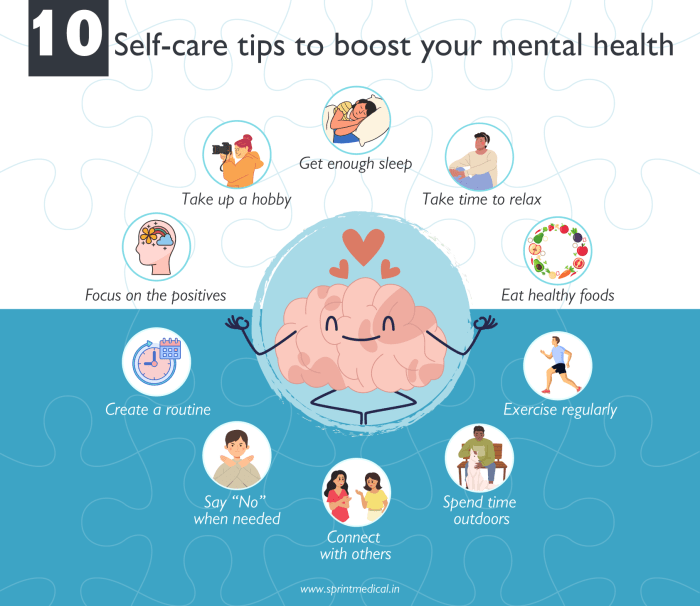
Ensuring good quality sleep is crucial for maintaining optimal mental health. The relationship between sleep and mental well-being is closely intertwined, with poor sleep habits often leading to negative effects on our mental state.
Tips for Improving Sleep Quality Naturally
- Avoid caffeine and electronic devices before bedtime to promote relaxation.
- Establish a consistent sleep schedule to regulate your body's internal clock.
- Create a comfortable sleep environment with a dark, quiet, and cool room.
- Engage in relaxation techniques such as deep breathing or meditation to calm the mind before sleep.
- Avoid heavy meals and vigorous exercise close to bedtime to allow your body to wind down.
Effects of Poor Sleep on Mental Well-being
Poor sleep quality can have detrimental effects on our mental health, including:
- Increased risk of anxiety and depression due to disrupted brain function.
- Impaired cognitive function, leading to difficulty concentrating and making decisions.
- Heightened stress levels and irritability, impacting overall mood and emotional well-being.
- Exacerbation of existing mental health conditions, such as bipolar disorder or schizophrenia.
Wrap-Up
In conclusion, prioritizing your mental health naturally is an essential step towards living a fulfilling and balanced life. By incorporating the discussed strategies into your daily routine, you can embark on a journey of self-care and holistic wellness. Take charge of your mental well-being and embrace a healthier, happier future.
Query Resolution
Can exercise really help improve mental health?
Yes, regular physical activity has been shown to boost mood, reduce anxiety, and improve overall mental well-being.
How important are social connections for mental health?
Having a strong support system and meaningful social connections can significantly impact mental health positively, providing emotional stability and a sense of belonging.
What role does sleep play in mental health?
Quality sleep is crucial for mental well-being as it allows the brain to rest and recharge, impacting mood, cognitive function, and overall mental health.